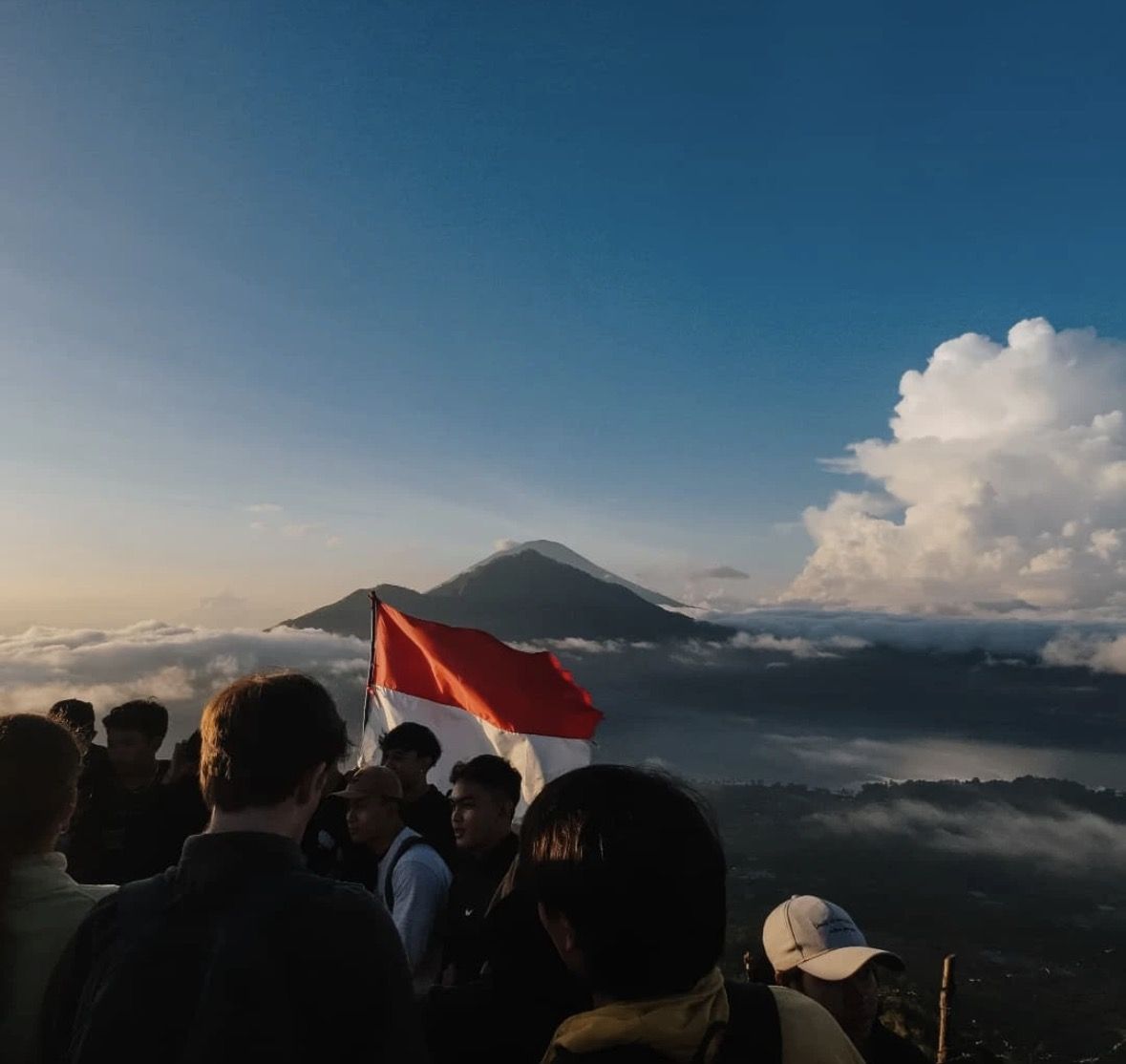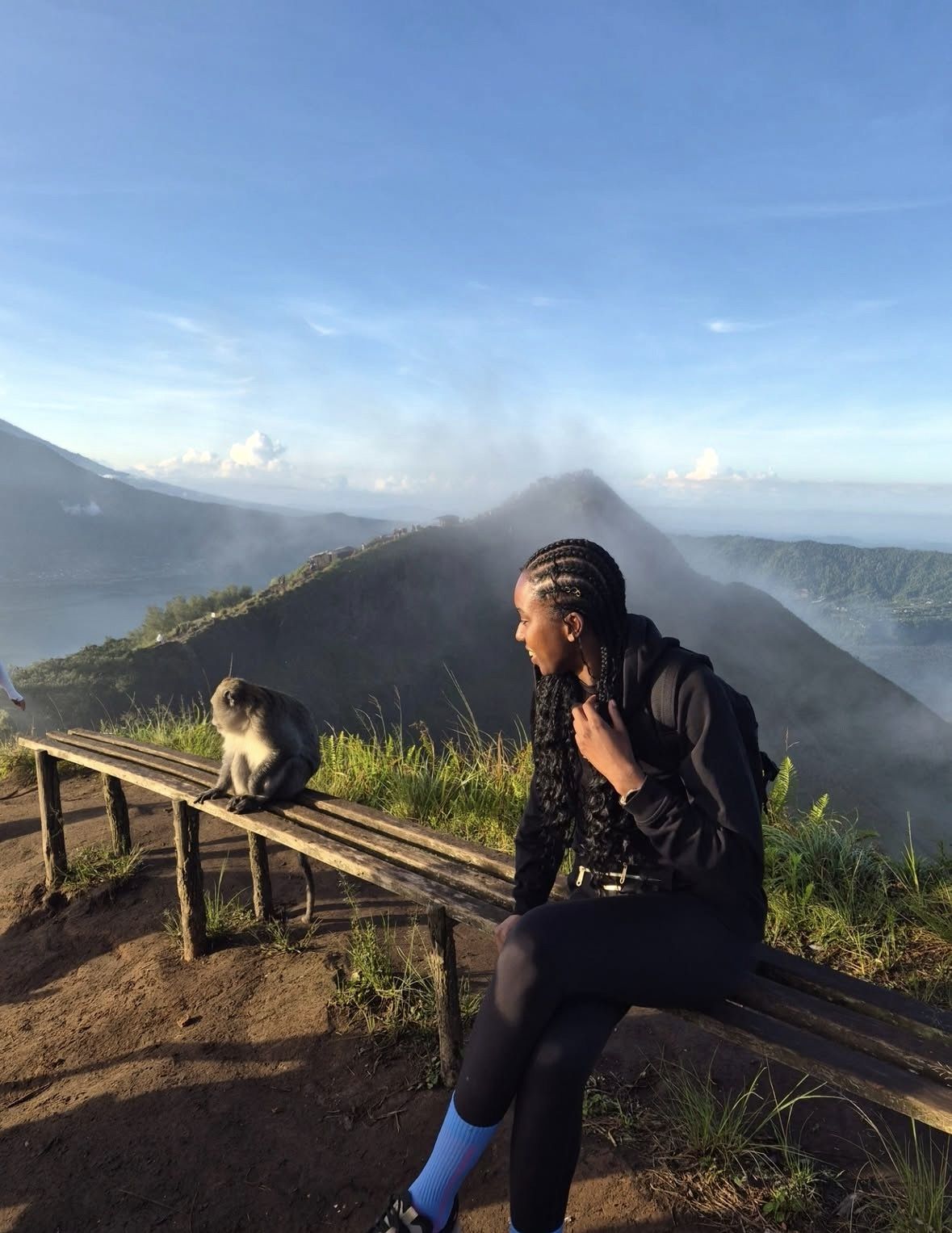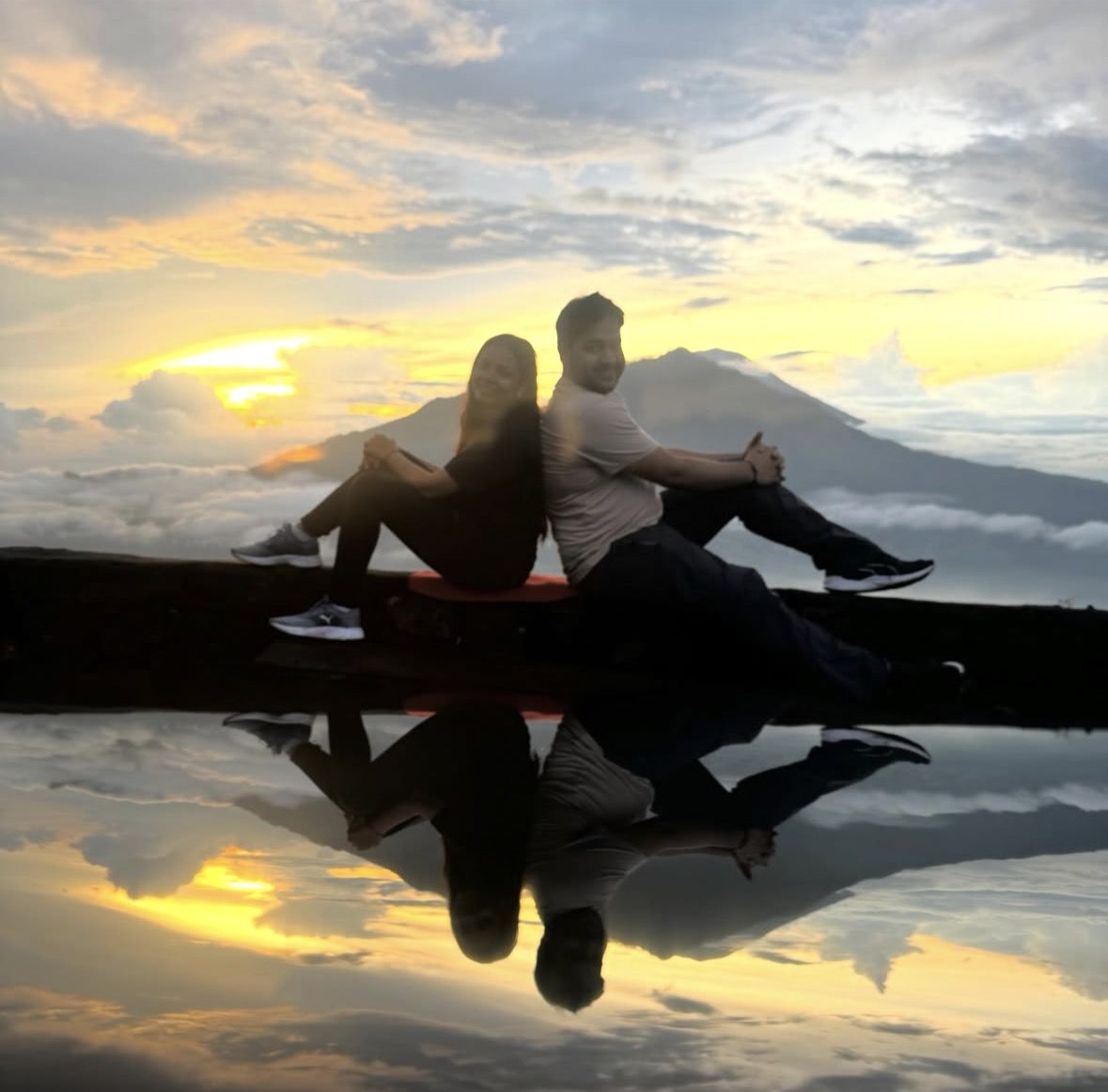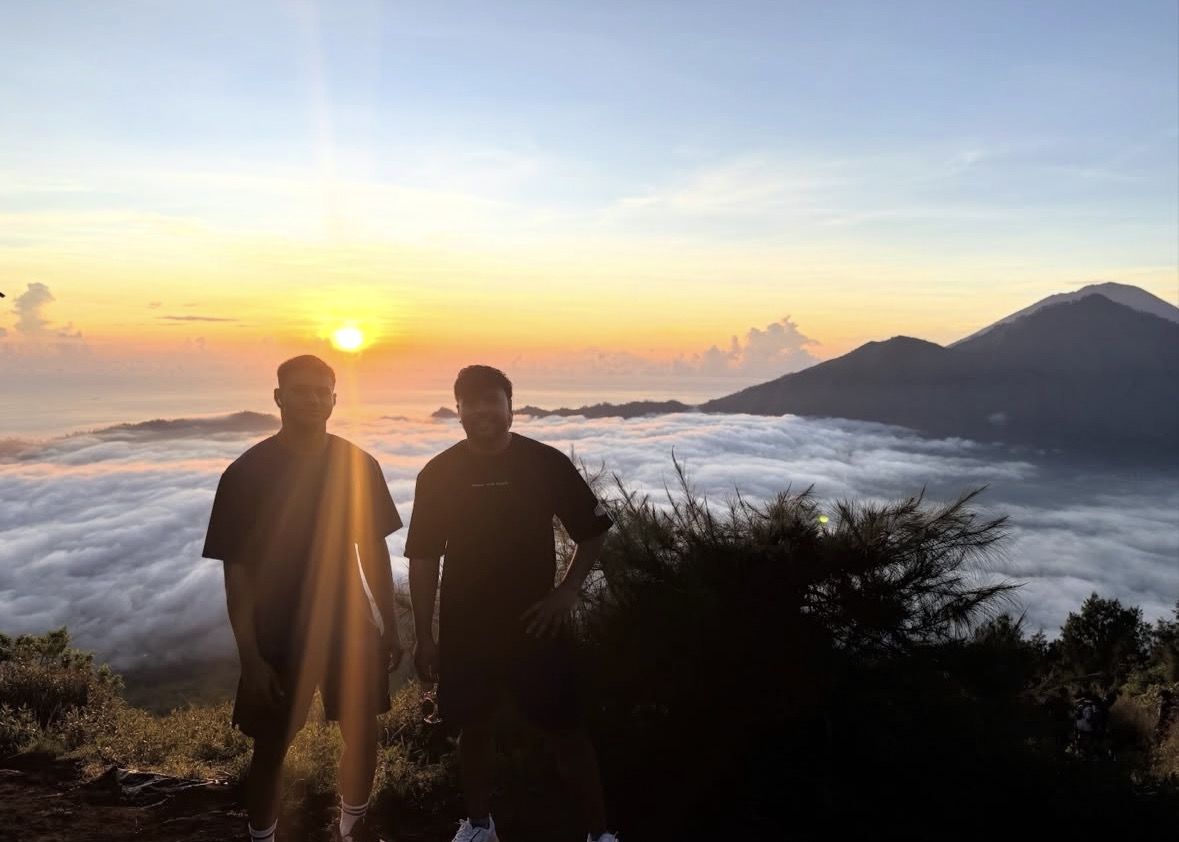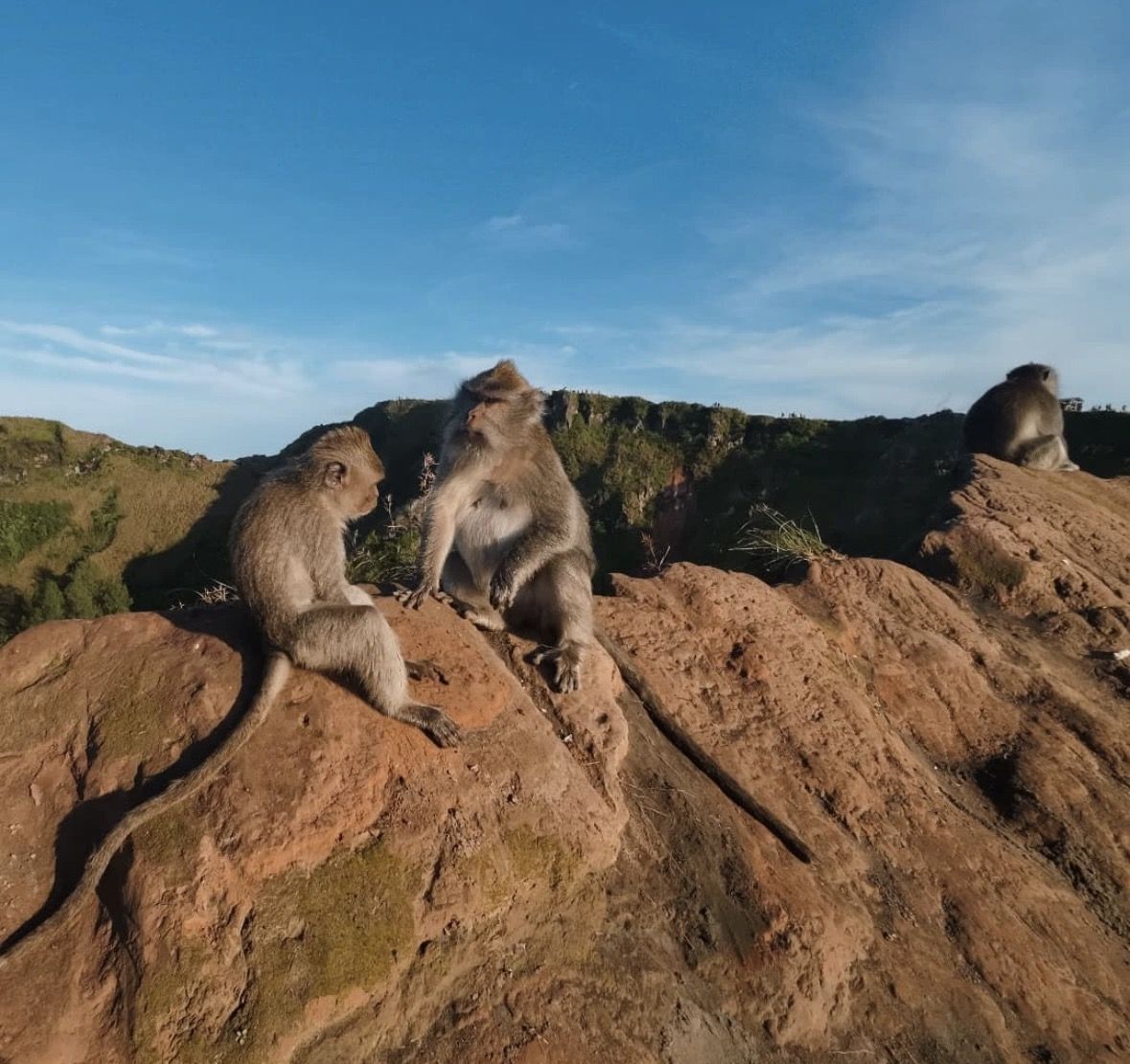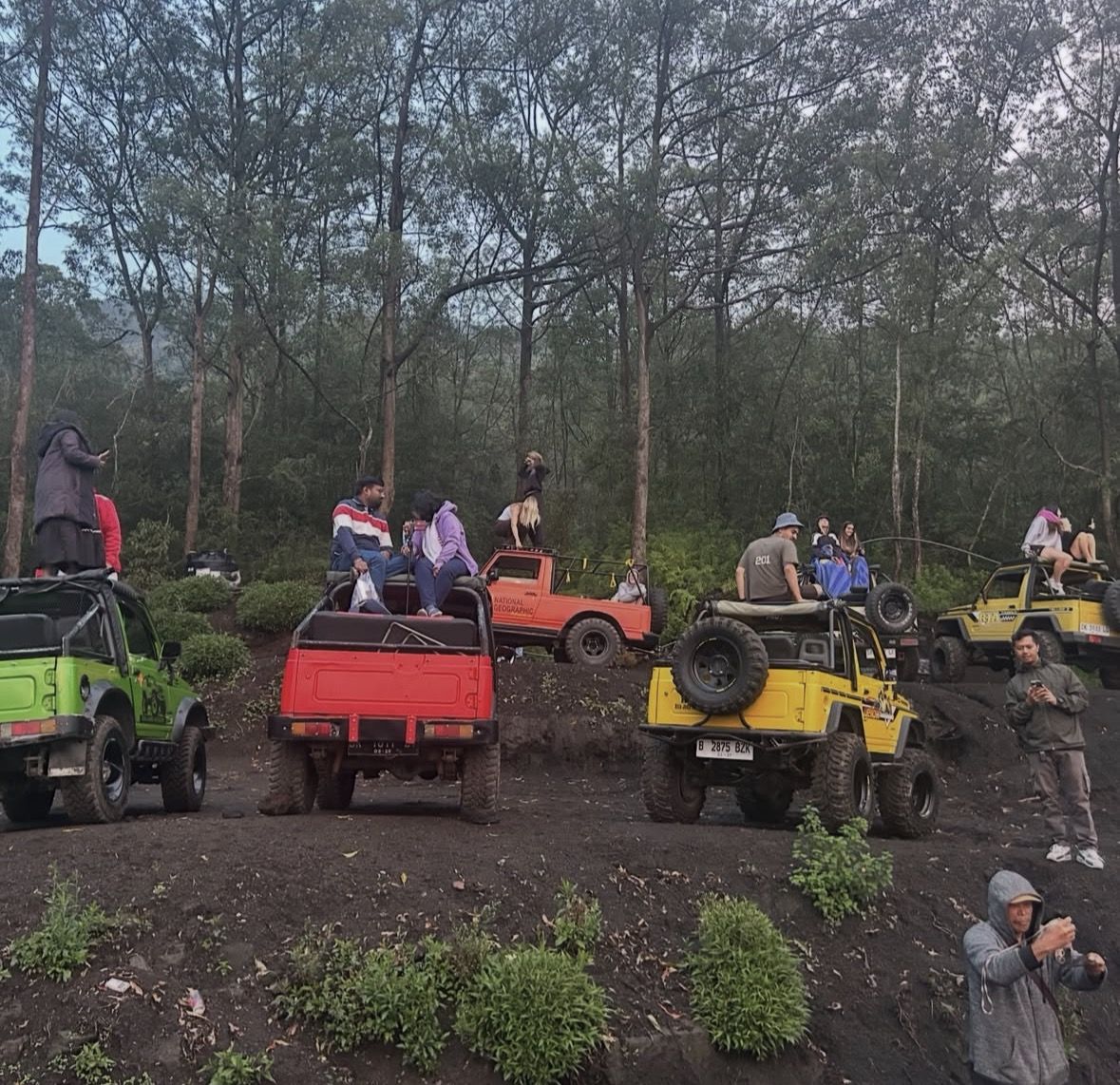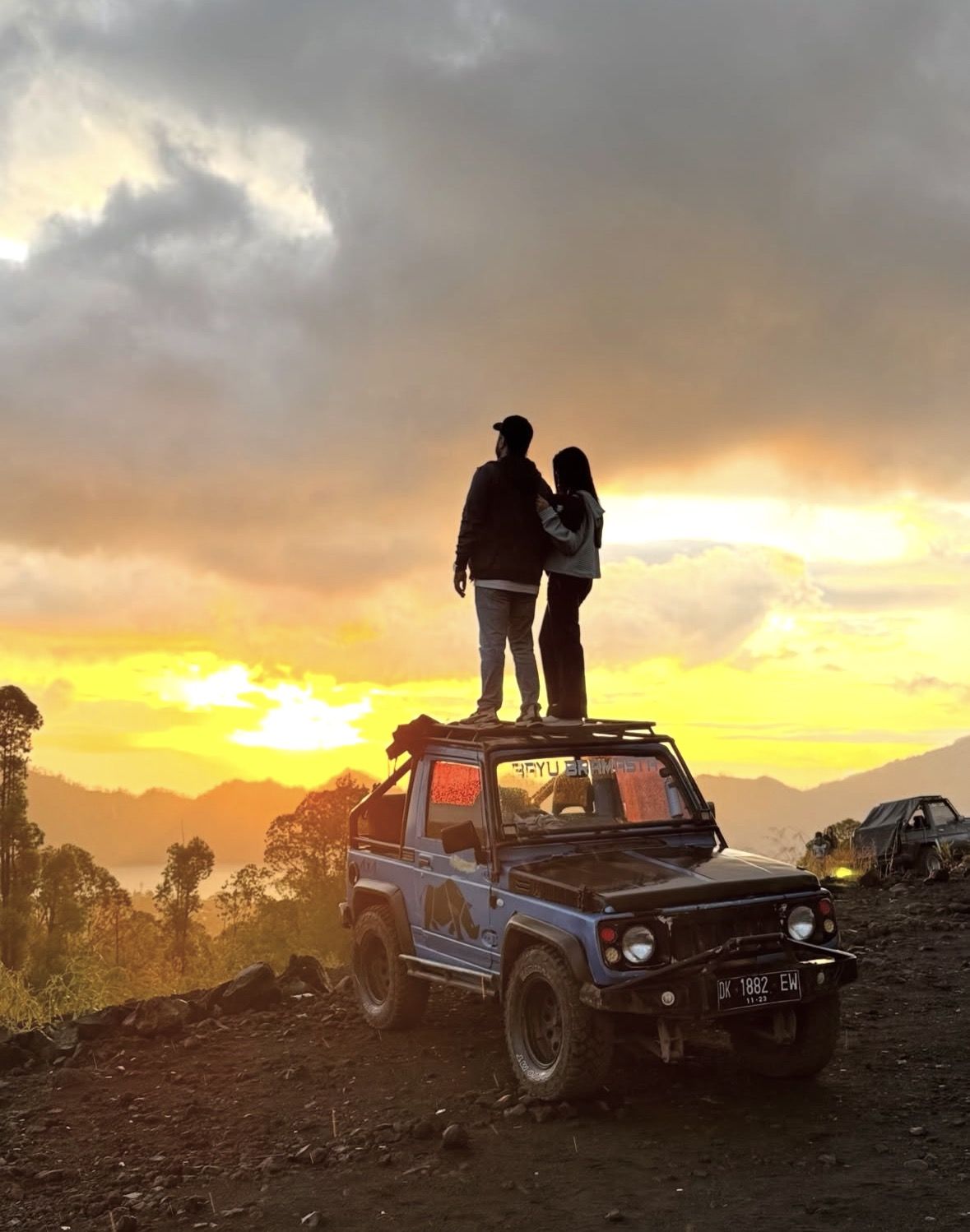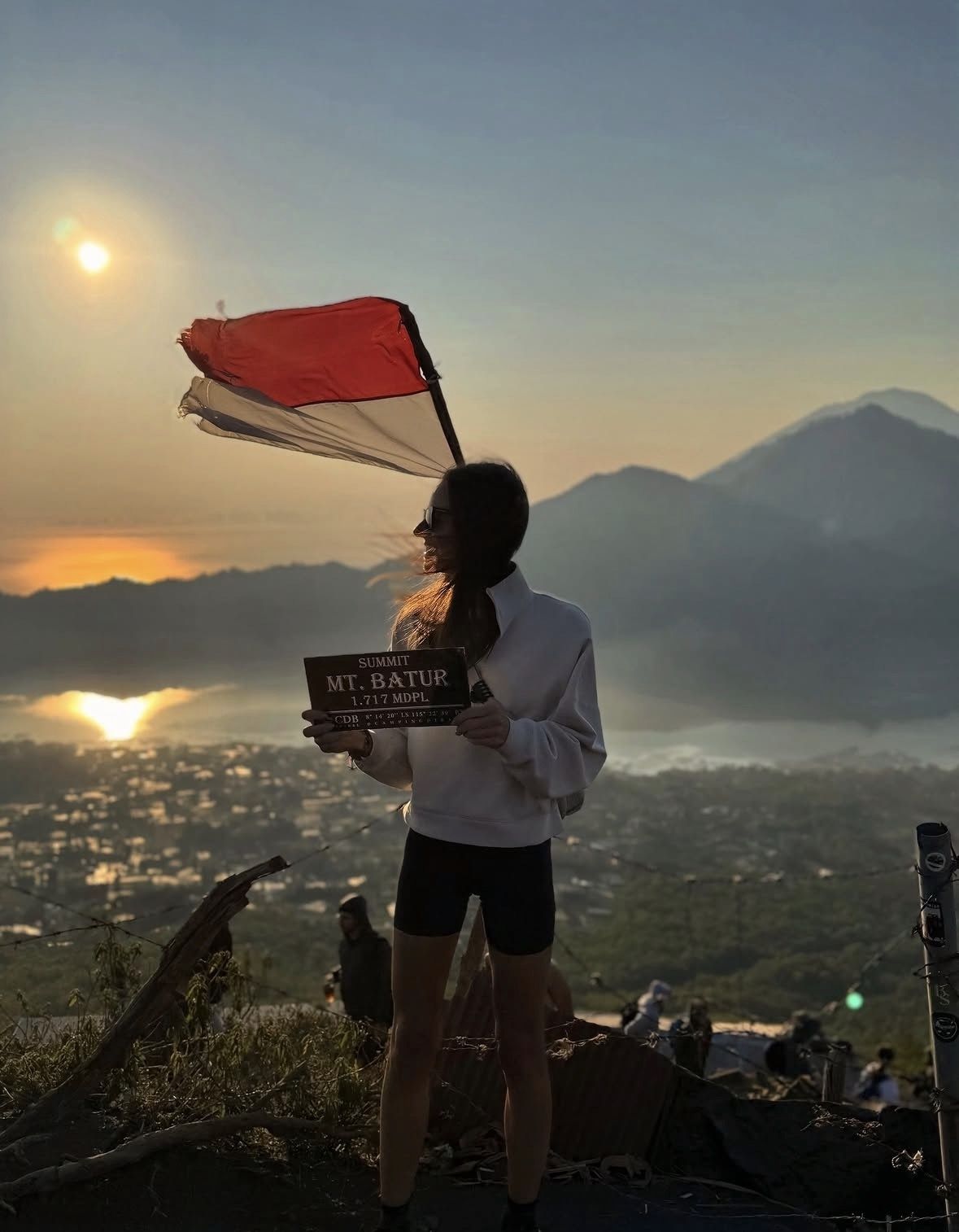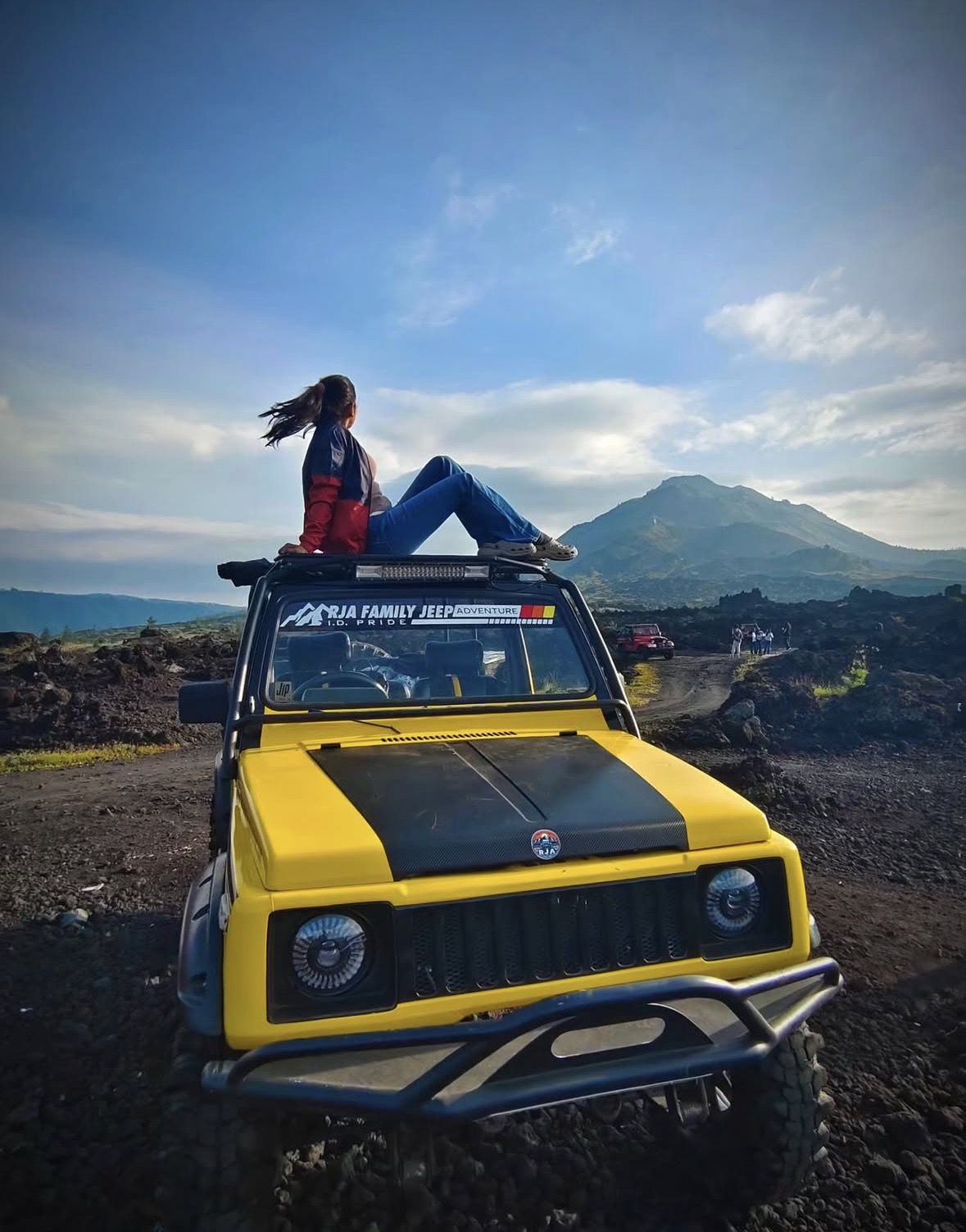
Rising 1,717 metres above sea level in the heart of Bali's Kintamani highlands, this active volcano rewards early risers with some of the most breathtaking panoramas in all of Southeast Asia. Whether you're a first-time hiker or a seasoned adventurer, the journey to the crater rim is an unforgettable experience.
Featured Tour
The Mount Batur Sunrise Hike and Natural Hot Spring Option is a beautifully crafted adventure that takes you away from the crowds and onto quieter local trails guided by knowledgeable Balinese locals. Starting with early hotel pickup, you'll hike through the darkness under a canopy of stars before reaching the summit just in time for one of the most spectacular sunrises in Southeast Asia. A volcanic-steam breakfast marks the moment, and an optional natural hot spring soak tops it all off.
About the Destination
Nestled in the Kintamani district of northeastern Bali, this striking volcano sits at the heart of a vast ancient caldera. It is roughly 70 kilometres from Kuta and about 40 kilometres from Ubud, making it an easy day trip from virtually any part of the island.
The volcano occupies the centre of a sweeping caldera in Bangli Regency, northeastern Bali. The caldera itself stretches approximately 13 kilometres wide and is one of the largest in the Indonesian archipelago. At its floor sits Lake Batur, a crescent-shaped volcanic crater lake that reflects the surrounding peaks on calm mornings. The highland air is noticeably cooler than coastal Bali, and the fertile slopes support terraced rice fields, small farming villages, and ancient temples that have coexisted with the volcano for centuries.
The volcano has a long and storied eruptive history, with significant eruptions recorded in 1917, 1926, and 1963, each reshaping the surrounding landscape. The 1926 eruption famously destroyed the village of Batur, though the temple — Pura Ulun Danu Batur — was miraculously spared and later relocated to its current hilltop position. The most recent eruption occurred in 2000, a reminder that this is a living, breathing geological feature. In 2012, UNESCO designated the Batur Global Geopark in recognition of the caldera's outstanding volcanic heritage and biodiversity.
Visitors typically begin their trek at the trailhead near Toya Bungkah village, setting off well before dawn to reach the summit for sunrise. The path winds through loose volcanic rock and hardened lava fields, offering increasingly dramatic views as altitude is gained. At the top, hikers gather to watch the sky turn from deep indigo to vivid amber above the clouds. After the sunrise moment, many linger to cook eggs in volcanic steam vents before descending and cooling off in the natural hot springs near the lake shore.
The volcano remains geologically active, with its most recent eruption occurring in 2000. Volcanic steam vents at the summit are used by guides to cook eggs for hikers — a memorable and genuinely unique breakfast experience.
Standing at 1,717 metres, it is the second highest volcano on the island after Mount Agung. Its prominence within the caldera makes it appear even more imposing when viewed from the surrounding villages and terraced farmland below.
The caldera floor is dominated by Lake Batur, Bali's largest lake, covering roughly 16 square kilometres. This crescent-shaped volcanic lake is considered sacred by the Balinese and supplies irrigation water to much of the island's rice-growing heartland.
The caldera has been inhabited and considered sacred by the Balinese Hindu community for over a millennium. Pura Ulun Danu Batur, one of Bali's nine directional temples, sits on the caldera rim and is among the most spiritually important sites on the island.
In 2012, UNESCO inducted the Batur caldera into its Global Geoparks Network, recognising its outstanding geological heritage. The geopark covers over 370 square kilometres and encompasses the volcano, the caldera, the lake, and surrounding highland ecosystems.
Unlike many volcanic peaks in Indonesia, this hike is widely considered accessible for beginners. The main trail gains roughly 700 metres of elevation over approximately 5 kilometres of terrain, primarily loose volcanic gravel and hardened lava flows.
The classic activity here is an early-morning guided hike departing around 2:00 AM to reach the crater rim at dawn. Watching the sun rise above the clouds with Lake Batur and Mount Agung in the background is a moment that visitors consistently describe as life-changing.
For those who prefer not to hike, guided Jeep tours explore the caldera floor, lava fields from the 1974 and 1994 flows, and the shores of Lake Batur. It's an excellent alternative for families, older travellers, or those short on time.
After descending from the summit, soaking in the geothermal hot springs along the lake shore is a perfect recovery ritual. The springs at Toya Devasya and Batur Natural Hot Spring offer pools with direct views across the water to the volcano's flanks.
The calm volcanic lake offers peaceful kayaking experiences with extraordinary scenery in every direction. Several operators along the shore rent equipment or offer guided paddling tours, giving visitors a unique water-level perspective of the surrounding caldera walls.
One of Bali's holiest temples, Pura Ulun Danu Batur sits dramatically on the caldera rim in the village of Kintamani. Visitors are welcome to explore the outer temple grounds, and the panoramic views of the caldera from here alone are worth the drive.
The ridge-top restaurants and warungs in Kintamani village serve traditional Balinese cuisine with floor-to-ceiling views over the entire caldera. Lunch here after a morning hike — with cold drinks, fresh satay, and the volcano framed in the window — is a quintessential Bali highland experience.
See how Bali's most popular volcano stacks up against other iconic volcanic treks across Southeast Asia and beyond.
Volcano hiking is one of the most exhilarating travel experiences in Southeast Asia, and several destinations compete for the same bucket-list slot. Deciding which peak to climb often comes down to accessibility, physical demands, crowd levels, and the overall reward at the summit. This comparison helps you see at a glance where Mount Batur sits relative to other celebrated volcanic hikes, so you can choose the adventure that best matches your fitness level, budget, and travel itinerary.
| Crowds | Price | Best For | What Sets It Apart | |
|---|---|---|---|---|
| ★ Mount Batur | Moderate–High (popular but manageable) | Budget-friendly (~$35–60 guided tour) | Beginners, sunrise seekers, Bali visitors | UNESCO Geopark caldera, volcanic breakfast, accessible from all of Bali |
| Mount Bromo, Java | Very High (extremely popular sunrise spot) | Moderate (~$50–90 with Jeep & guide) | Dramatic landscapes, non-hikers (Jeep access) | Otherworldly lunar landscape with a sea of sand surrounding the active crater |
| Mount Rinjani, Lombok | Moderate (spread over multi-day trails) | Higher (~$150–250 multi-day trek) | Experienced trekkers, multi-day adventurers | Indonesia's second highest volcano with a stunning crater lake and hot springs |
| Mount Merapi, Java | Low–Moderate (less mainstream tourist crowd) | Moderate (~$50–80 guided) | Adventure hikers, volcanology enthusiasts | One of the world's most active volcanoes with raw lava fields and exclusion zones |
For travellers visiting Bali who want a genuine volcano experience without committing to a multi-day expedition, Mount Batur offers the ideal combination of accessibility, dramatic scenery, and manageable difficulty. Its UNESCO-recognised caldera, the magical sunrise atmosphere, and the unique volcanic steam breakfast give it a character that other peaks simply cannot replicate within such a short and affordable day-trip package.
Travel Guide
Everything you need to know to plan a safe, rewarding, and unforgettable visit to Bali's most iconic volcano.
The volcano is located approximately 40 kilometres north of Ubud and around 70 kilometres from the Kuta–Seminyak coastal strip. Most visitors arrange private transport through their hotel, a local driver, or a tour operator — this is the most convenient option, especially for pre-dawn departures. The drive from Ubud takes roughly 1 to 1.5 hours depending on traffic, climbing steadily through rice terraces and mountain villages as you head into the cooler highlands of Kintamani.
Once in the Kintamani area, the main trailhead for trekkers is near Toya Bungkah village on the western shore of Lake Batur. Tour operators handle all logistics including trailhead transfers. If you're travelling independently, renting a scooter from Ubud is feasible for those comfortable with Balinese mountain roads, though a private car is strongly recommended for nighttime departures and the return journey after a long, early morning hike.
The dry season — running from approximately April through October — is universally regarded as the best period to attempt the hike. During these months, skies are typically clear at summit level before dawn, maximising the chance of an unobstructed sunrise view over the caldera. July and August are the busiest months but also the most reliably clear. The shoulder months of April–May and September–October offer a balance of good weather and slightly thinner crowds.
The wet season runs from November through March, bringing heavy afternoon and overnight rain that frequently blankets the summit in cloud and reduces visibility to near zero. Hikes during this period are still possible but far less likely to reward with a clear sunrise. Mornings in the wet season can occasionally be clear before clouds build, so it's never guaranteed either way. Regardless of season, temperatures at the summit hover around 10–15°C at dawn, making warm layers essential year-round.
Packing light but smart is the key to a comfortable hike. The ascent is physically demanding enough that heavy packs become a real burden, yet the summit cold and volcanic terrain demand specific gear. Your guide will typically carry a torch (flashlight) and supplies, but you should bring your own headlamp as a non-negotiable essential. Most tour operators provide bottled water and a basic breakfast, but always confirm what is included when booking your tour.
Footwear is the single most important gear choice. Firm, closed-toe hiking shoes or trail runners with ankle support are strongly recommended — the terrain is loose volcanic gravel and uneven lava rock, and sandals or flip-flops are genuinely dangerous. Dress in breathable, moisture-wicking layers you can remove as you warm up during the climb. A lightweight windproof or waterproof jacket is essential for the cold, often breezy summit, even during the dry season.
Hiring a registered local guide is not just strongly recommended — in many areas of the trail network it is effectively mandatory and enforced at the trailhead. The local guide association (PGMB) operates the official guiding system, and independent trekkers who refuse guides may be turned away. Embracing this system supports local livelihoods directly and ensures you benefit from genuine local knowledge of the terrain, weather patterns, and any sudden changes in volcanic activity status.
Cash is essential in Kintamani and Toya Bungkah — ATMs are limited and card payment is not widely accepted at the trailhead, small warungs, or hot spring facilities. Bring Indonesian Rupiah in small denominations. Tipping your guide is customary and appreciated; a tip of 50,000–100,000 IDR per guide is considered respectful. Be mindful that the surrounding area is home to active Hindu communities — dress modestly when visiting temples and always ask before photographing local ceremonies.
No specialist vaccinations are required specifically for visiting Bali's highlands, but travellers should ensure routine vaccinations are up to date (hepatitis A, typhoid, tetanus). Altitude is unlikely to cause serious altitude sickness at 1,717 metres, but those with heart or respiratory conditions should consult a doctor before attempting the hike. The physical demand — while manageable for most — should not be underestimated if you are unaccustomed to sustained uphill walking at pace in cool, thin predawn air.
The volcano is monitored continuously by Indonesia's PVMBG (Centre for Volcanology and Geological Hazard Mitigation). Always check the current alert level before booking — Level 1 (Normal) and Level 2 (Advisory) generally permit trekking with a guide, while higher levels may restrict or close the trail. Emergency services are limited in the highlands; your guide is your first safety resource. Carry a basic first-aid kit including blister plasters, pain relief, and rehydration salts.
Explore More
Extend your Bali highland adventure by exploring the extraordinary natural and cultural sites clustered around the Kintamani caldera.

The Mount Batur Sunrise Hike and Natural Hot Spring Option is a beautifully crafted adventure that takes you away from the crowds and onto quieter local trails guided by…
Check this tour →
The Mount Batur Sunrise Jeep Tour is the ultimate way to experience Bali's iconic volcanic landscape without ever lacing up hiking boots.
Check this tour →
The Mount Batur Sunrise Trekking - Guided Hike with Breakfast on Top is widely regarded as one of the most rewarding outdoor experiences in all of Bali.
Check this tour →
The Mount Batur Sunrise Jeep Tour with Optional Activities is the ultimate way to experience Bali's most famous volcanic sunrise without breaking a sweat.
Check this tour →
The Mount Batur Sunrise Trekking experience is your ticket to one of Southeast Asia's most breathtaking mornings.
Check this tour →
The Batur Hike : Mount Batur Sunrise Hike & Natural Hotspring experience is one of Bali's most sought-after adventures, combining a pre-dawn volcano climb, a steaming natural hot…
Check this tour →
The Mount Batur Sunrise Jeep Private Tour is the ultimate way to witness one of Bali's most breathtaking natural spectacles without sharing the moment with strangers.
Check this tour →
The Mount Batur Sunrise Hike with Optional Hot Spring is Bali's most celebrated volcano experience, combining a guided pre-dawn trek to the summit with panoramic sunrise views and…
Check this tour →
The Private Mount Batur Sunrise Trekking Tour is designed for travelers who want a fully personalized adventure without the crowds.
Check this tour →
The Sunrise Mount Batur Guided Hike with Breakfast is the definitive way to experience Bali's most iconic volcanic landscape.
Check this tour →
The Mount Batur Sunrise Trekking Private All Inclusive experience is the ultimate way to explore one of Bali's most iconic landscapes.
Check this tour →
The Mount Batur Sunrise Guided Hike and Natural Hot Spring is a carefully crafted adventure that blends volcanic trekking with genuine relaxation.
Check this tour →
The Mount Batur Sunrise Hike – Local Guide & Hot Spring Experience is one of Bali's most beloved adventures, combining a rewarding volcanic trek with jaw-dropping scenery and…
Check this tour →
The Mount Batur Sunrise Hike and Hidden Waterfall experience is one of Bali's most rewarding adventures.
Check this tour →
The Mount Batur Sunrise Trekking and Rice Terrace Adventure is a hand-crafted morning experience that combines a guided ascent of one of Bali's most beloved active volcanoes with…
Check this tour →
The Mount Batur Sunrise Trekking Private Guide experience is the ultimate way to witness Bali's most spectacular natural show.
Check this tour →
The Mount Batur Sunrise Trekking Guide experience takes you on an unforgettable pre-dawn ascent of one of Bali's most revered natural landmarks.
Check this tour →
The Mt Batur Sunrise, Breakfast & Natural Hot Springs tour is the definitive way to experience Bali's most iconic volcano.
Check this tour →
The Private Tour Mount Batur Sunrise Jeep is designed for travelers who want the magic of a volcano sunrise without the physical demands of a multi-hour hike.
Check this tour →
The Mount Batur Sunrise Jeep & Black Lava tour hands you one of Bali's most iconic views without a single step up a steep volcanic trail.
Check this tour →Traveler Reviews
Travelers share their unforgettable experiences climbing Mount Batur at sunrise.
"Watching the sun rise from the summit was one of the most breathtaking moments of my life. The golden light slowly illuminating Lake Batur below and the silhouette of Agung in the distance gave me genuine chills. Our guide was knowledgeable, patient, and made the two-hour ascent feel totally manageable. I'd done very little hiking before this and still reached the top without any real trouble — absolutely worth every early alarm."
"We booked a guided sunrise trek and it exceeded every expectation. Starting at 2 a.m. felt brutal, but the moment the sky turned pink and purple over the caldera, all tiredness simply vanished. The guide cooked eggs in the volcanic steam vents at the top, which was a fun and surprisingly tasty touch. If you're visiting Bali, this hike is absolutely non-negotiable — it's the kind of experience you talk about for years."
"The hike itself was wonderful and the panoramic views from the crater rim were stunning — I could see all the way to the coast on a clear morning. My only complaint is that the summit gets very crowded around peak season, which slightly diminished the sense of serenity I'd hoped for. That said, our local guide was excellent and gave us fascinating context about the volcano's history and the Balinese relationship with the mountain. I'd recommend going mid-week if you can to avoid the largest crowds."
"I'm not a seasoned hiker at all, but I completed the trek comfortably in about two hours with breaks. The trail is steep in places but never technical, and the guides are incredibly encouraging throughout. Watching the caldera emerge from darkness as the sun climbed higher was a truly spiritual experience — I completely understand why this volcano holds such significance for Balinese Hindus. Bring a warm jacket, though; it gets genuinely cold up there before sunrise."
"This was hands-down the highlight of our two-week Bali trip. We went with a small group tour that included hotel pickup from Ubud, which made the logistics completely stress-free. The summit views of Lake Batur and the surrounding landscape were jaw-dropping, especially as the mist slowly lifted from the caldera below. Our guide shared wonderful stories about local legends associated with the volcano that added real depth to the experience."
"A genuinely memorable adventure that I'd happily recommend to most travelers visiting the island. The ascent took us about an hour and forty minutes, which felt very achievable even for our mixed-fitness group. The volcanic landscape near the summit — with its black lava fields and steaming vents — feels otherworldly and completely unlike anything else on the island. I knocked off one star simply because the path lighting before dawn was a bit sparse; bring a good headlamp and you'll be perfectly fine."
"One of the most magical mornings I've ever experienced — full stop. We reached the summit just as the clouds below us turned every shade of orange and gold, with Agung looming majestically behind. The guide we hired was professional, funny, and clearly passionate about the mountain's ecology and cultural heritage. If you're debating whether to set that early alarm, just do it; you will not regret it for a single second."
"We visited Mount Batur as part of a broader Kintamani day trip and honestly it stole the show entirely. The combination of the active volcano, the caldera lake, and the sweeping highland scenery is unlike anything else I've encountered in Southeast Asia. Our guide was brilliant and pointed out wildlife, unique plant species, and ancient lava flows along the trail that we'd have missed on our own. Book early, wear layers, and prepare to be completely blown away."
Watch Before You Go
Experience the sunrise, the caldera, and the trek through the eyes of adventurers who've made the journey.
Location
Mount Batur is located in Kintamani District, Bangli Regency, Bali, Indonesia — approximately 40 km north of Ubud.
FAQ
Everything you need to know before trekking Bali's most iconic volcano.
Ready to watch the sunrise from the crater rim?
Book Your Trek NowDiscover More
From devastating 20th-century eruptions that buried entire villages to its sacred status as the spiritual heart of the Balinese highlands, this volcano's history is as dramatic as its landscape. Discover how centuries of eruptions, mythology, and UNESCO recognition transformed a living volcano into one of Southeast Asia's most revered destinations.