Rising 1,717 metres above sea level within one of the world's most dramatic calderas, Mount Batur has shaped Balinese civilisation, spirituality, and landscape for millennia. From catastrophic ancient eruptions to UNESCO recognition, this living volcano holds secrets that continue to captivate travellers from every corner of the globe.
Mount Batur sits within a vast ancient caldera approximately 13.8 kilometres wide, itself the remnant of two colossal prehistoric volcanic collapses estimated to have occurred around 29,300 and 23,670 years ago. These cataclysmic events reshaped the entire central highlands of Bali, creating the sweeping bowl-shaped depression that travellers marvel at today. Geologically, Batur belongs to the Sunda Arc, a chain of volcanoes formed by the subduction of the Indo-Australian tectonic plate beneath the Eurasian plate. This tectonic restlessness has made Bali one of the most volcanically active islands in the Indonesian archipelago, with Batur standing as its most frequently erupting peak.
Within the ancient outer caldera, a younger and smaller inner caldera formed through subsequent volcanic activity, and it is from this inner structure that the present-day cone of Mount Batur emerged. Lake Batur, the largest lake in Bali at roughly 7.5 kilometres long, occupies the western portion of the caldera floor and owes its existence entirely to these geological upheavals. The fertile volcanic soils surrounding the lake have supported Balinese agriculture for thousands of years, particularly the cultivation of rice and vegetables that sustain highland communities to this day. Ancient Balinese understood instinctively that the volcano's destructive power also carried the seeds of extraordinary fertility.
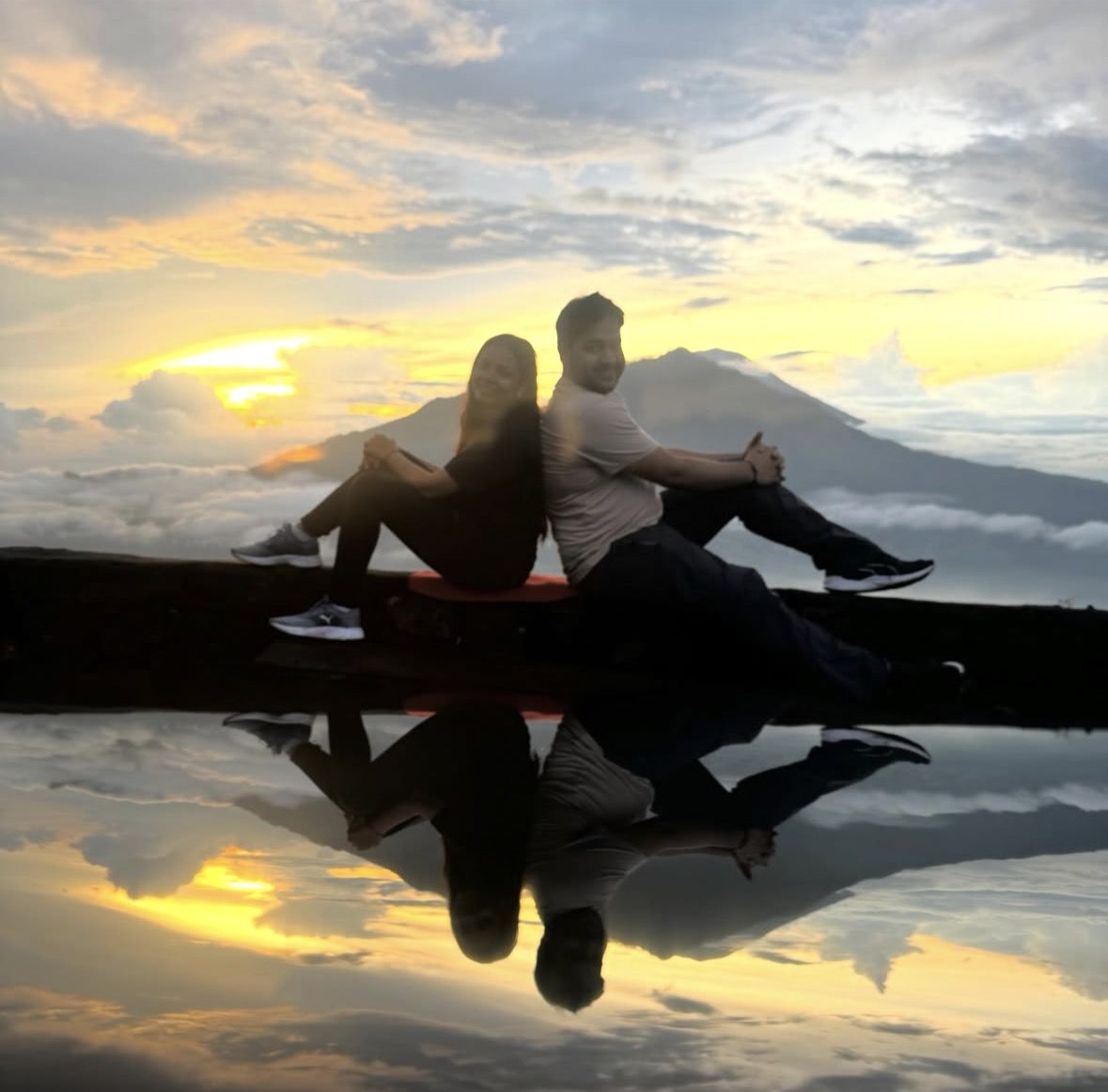
For the Balinese Hindu people, Mount Batur is far more than a geological feature — it is a dwelling place of the gods and a cornerstone of the island's spiritual universe. The volcano is sacred to Dewi Danu, the goddess of water, lakes, and rivers, whose temple Pura Ulun Danu Batur is considered one of Bali's nine directional temples, or Kahyangan Jagat, responsible for maintaining cosmic balance across the entire island. Unlike many sacred sites in Bali, this temple was not always in its present hilltop location overlooking the caldera; its dramatic relocation is one of the most remarkable stories in Balinese religious history.
The original Pura Ulun Danu Batur temple stood on the caldera floor at the village of Batur, but when a 1917 eruption sent lava flows directly toward the settlement, the villagers interpreted the lava stopping just short of the temple as divine protection. However, a second devastating eruption in 1926 completely destroyed the old village and buried the original temple under hardened lava. The community gathered whatever sacred objects and temple relics they could rescue and relocated the entire village and its temple to the caldera rim, where it stands today at over 1,450 metres elevation. This act of resilience and faith remains central to the spiritual identity of the Kintamani region.
The Bali Aga people, considered Bali's indigenous pre-Hindu inhabitants, have maintained a continuous presence around the Batur caldera for centuries. The village of Trunyan, situated on the eastern shore of Lake Batur and accessible only by boat, is home to one of the most distinctive burial traditions on earth. Rather than cremating their dead in the Hindu Balinese manner, the Bali Aga of Trunyan place bodies beneath a sacred Taru Menyan tree, which is said to neutralise odour through its fragrance. This ancient practice, unchanged for generations, underscores the deep layers of human history embedded in the landscape surrounding Mount Batur.
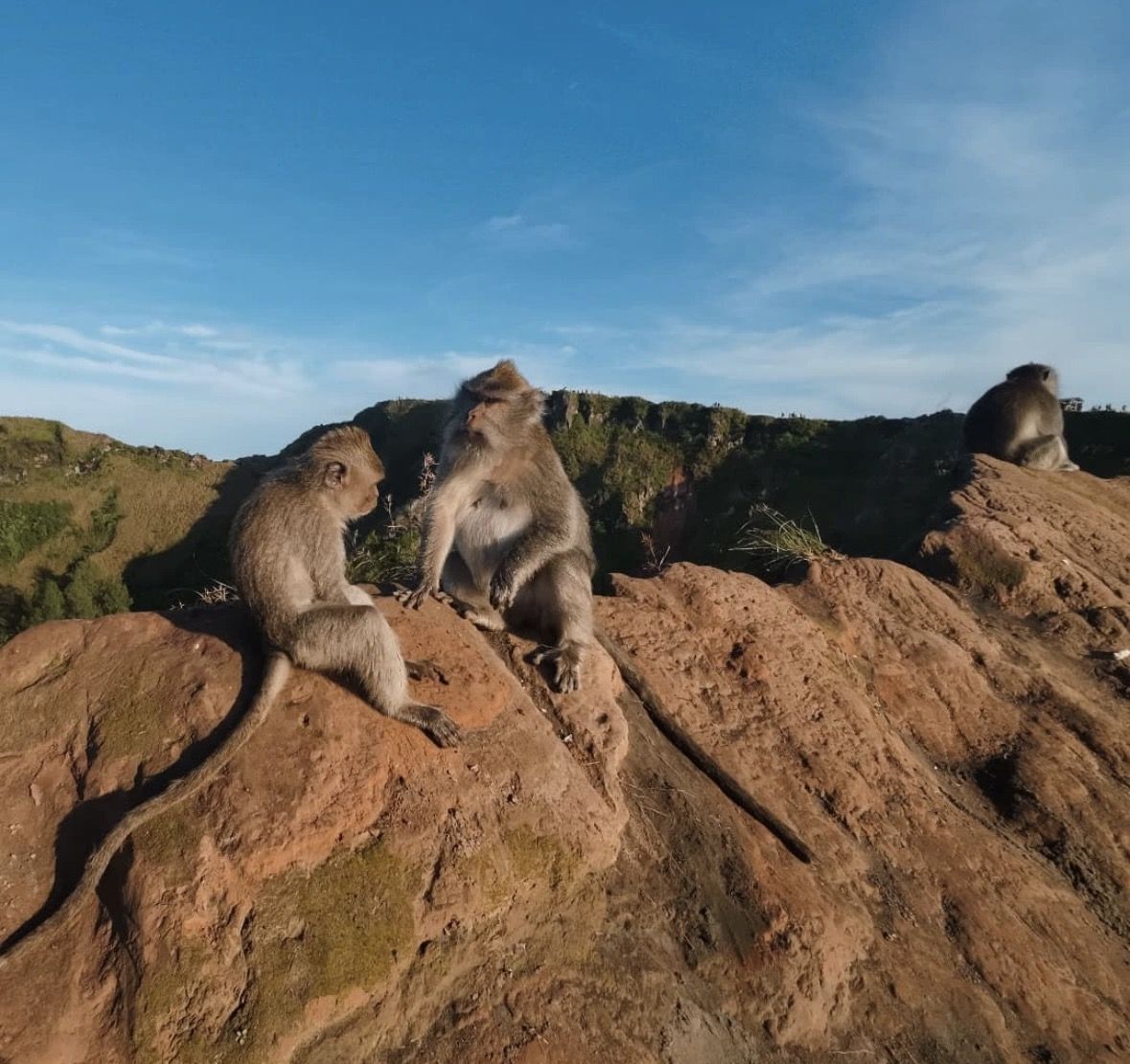
In 2012, the United Nations Educational, Scientific and Cultural Organization designated the Batur caldera as a UNESCO Global Geopark, acknowledging its outstanding universal geological, ecological, and cultural value. This recognition placed Mount Batur alongside some of the world's most significant geological landscapes and provided a framework for sustainable management of the site. The Batur Global Geopark encompasses not only the volcano and its caldera but also the surrounding communities, traditional agricultural terraces, and sacred sites, recognising that the human story is inseparable from the natural one. The designation helped accelerate international tourism to the Kintamani district and brought renewed investment in visitor infrastructure.
Mount Batur's most recent significant eruption occurred in 2000, a reminder that this is emphatically a living, breathing volcano. The eruption produced lava flows that added new black rock fields to the already dramatic lunar landscape on the volcano's flanks. Seismic monitoring of Batur is conducted continuously by the Centre of Volcanology and Geological Hazard Mitigation in Indonesia, which maintains alert systems to protect local communities. Throughout the 20th century, eruptions in 1917, 1926, 1963, and 1994 all caused varying degrees of destruction and displacement, yet the Balinese communities surrounding the volcano have persistently returned, rebuilt, and reaffirmed their sacred relationship with the mountain.
Organised trekking to the summit of Mount Batur began gaining popularity among foreign travellers in the 1980s and 1990s, coinciding with Bali's broader emergence as one of Southeast Asia's premier tourist destinations. The pre-dawn summit hike, timed to reach the top as the sun rises over neighbouring Mount Agung and the Lombok strait, quickly became one of the most iconic experiences in all of Indonesia. The establishment of the Batur Trekking Cooperative, known locally as PPPGB, formalised the guiding industry and created economic opportunities for hundreds of local families while providing visitors with safer, better-organised ascents of this magnificent active volcano.
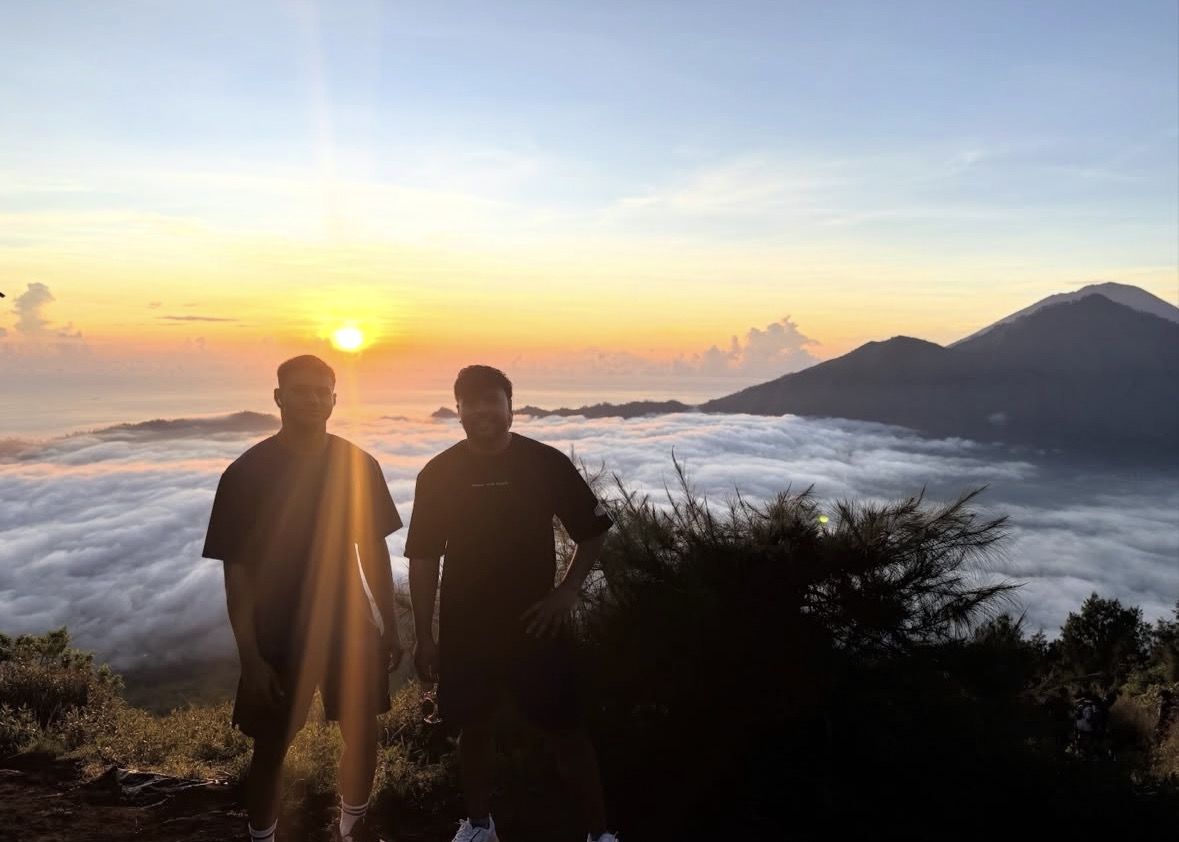
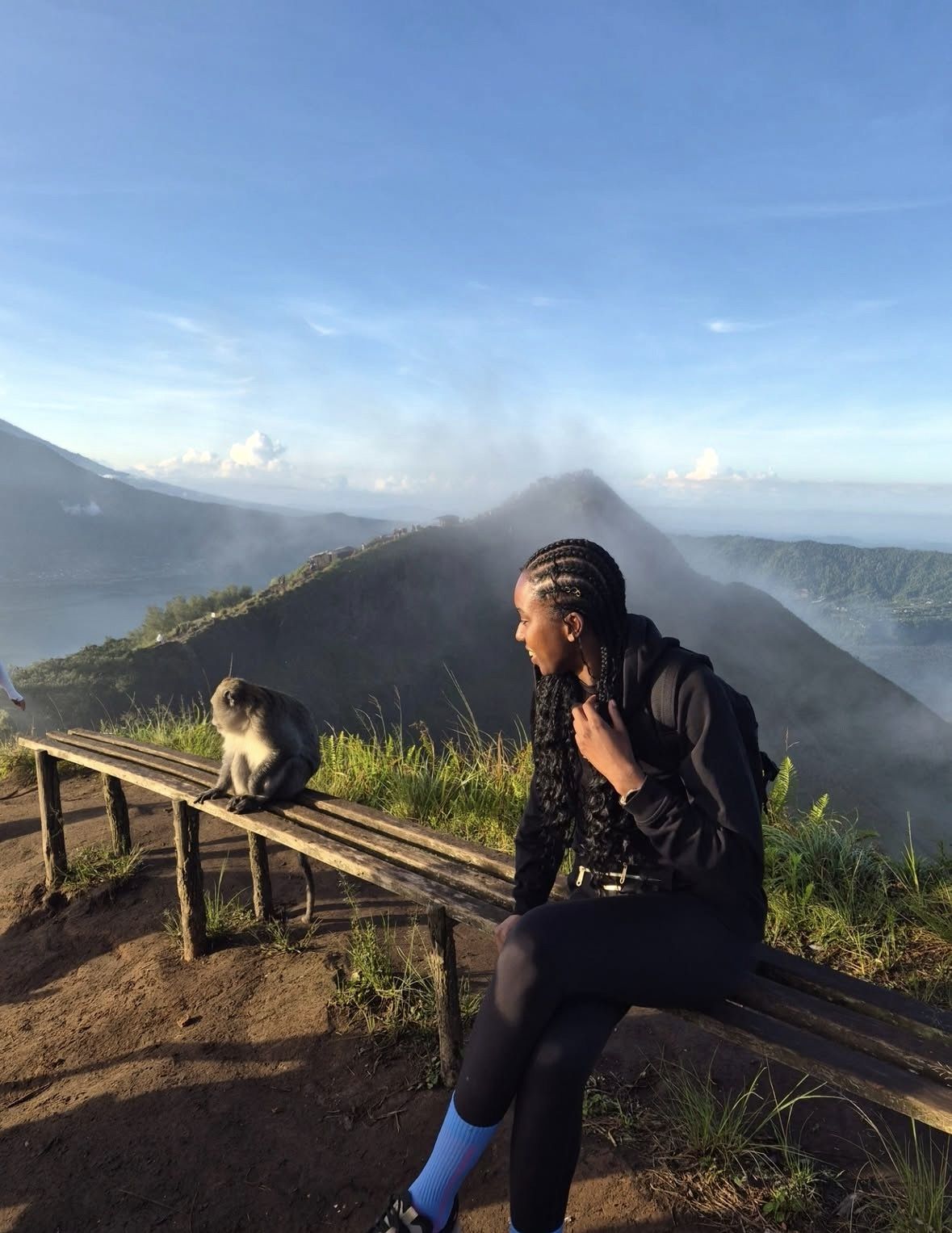
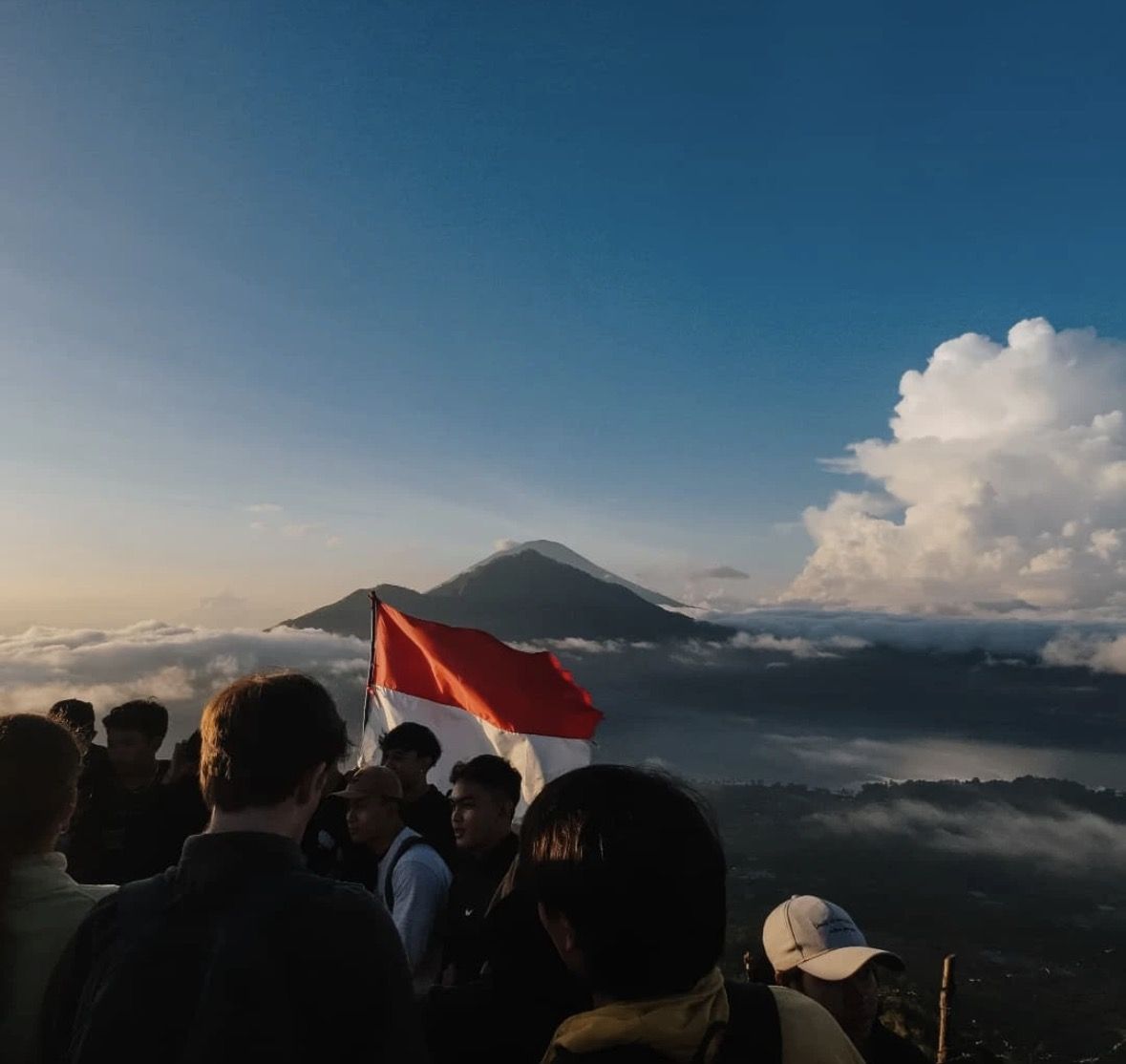
Today, Mount Batur welcomes tens of thousands of trekkers annually, with the majority embarking on the classic two-hour pre-dawn hike from the village of Toya Bungkah or Pura Jati trailhead. At the summit, adventurers are rewarded with sweeping panoramas across the caldera, Lake Batur shimmering far below, and on clear mornings, the majestic profile of Mount Agung, Bali's highest and most sacred volcano, rising to the southeast. Steam vents near the summit crater serve as a vivid reminder that Batur remains geologically active, and guides often use the geothermal heat to boil eggs — a quirky summit tradition that has delighted hikers for decades.
Beyond the trek itself, the Kintamani region surrounding Mount Batur offers a rich tapestry of experiences rooted in geology, spirituality, and Balinese village life. Visitors can explore the eerie hardened lava fields from past eruptions, soak in natural hot springs fed by geothermal energy at Lake Batur's shores, visit the hilltop Pura Ulun Danu Batur temple, and sample the renowned Kintamani coffee grown in the mineral-rich volcanic soils. Whether you are drawn by the thrill of standing atop an active volcano, the spiritual magnetism of one of Bali's most sacred landscapes, or simply the breathtaking beauty of the caldera at sunrise, Mount Batur promises an encounter with the island's soul that no other destination in Bali can replicate.
Ready to Experience It Yourself?
A guided sunrise trek up Mount Batur is one of the most unforgettable experiences in all of Southeast Asia, and booking with a knowledgeable local guide ensures you make the most of every moment on this extraordinary volcano. Our carefully selected tour partners offer small-group and private treks complete with transport, experienced guides, and a legendary summit breakfast. Browse our recommended Mount Batur tours below and take the first step toward an adventure you will be talking about for the rest of your life.
Book Your Tour Now